skip to main |
skip to sidebar
Part 2: Gluttony and Greed
 The second deadly sin, Gluttony, is one that pertains to those who consume massive amounts of items, which include food, drink, or intoxicants. According to the Divine Comedy, these individuals will be forced to endure an eternity of cold, hard rain pelting their bodies. Fortunately for Macbeth, he does not directly fall into the trap of gluttony throughout the play. However, in one scene Macbeth holds a banquet after he obtains his kingship, which could be interpreted as him having an abundance of food for himself. Yet this is stretching the notion to an extent, so Macbeth would most likely escape enduring the dirty rain of hell.
 Greed is one of the most common sins in today’s time. Many people are never satisfied enough with what they have, which leads to a feeling of wanting to obtain more. Macbeth is no different in this case, as it was a combination of lust for power and overwhelming greed which tempted him to turn on Duncan. Even though he obtained Cawdor, Macbeth was not satisfied; the lure of being a King was far too great and his greed for more plunged him into sin. It wasn’t just Macbeth’s insatiability for control, however; Lady Macbeth’s greediness and manipulative ways influenced Macbeth’s decision to murder King Duncan. As written by Dante in the Divine Comedy, they both must spend eternity rolling weights against others in a long dug out pit, viciously clashing and repeating the process.
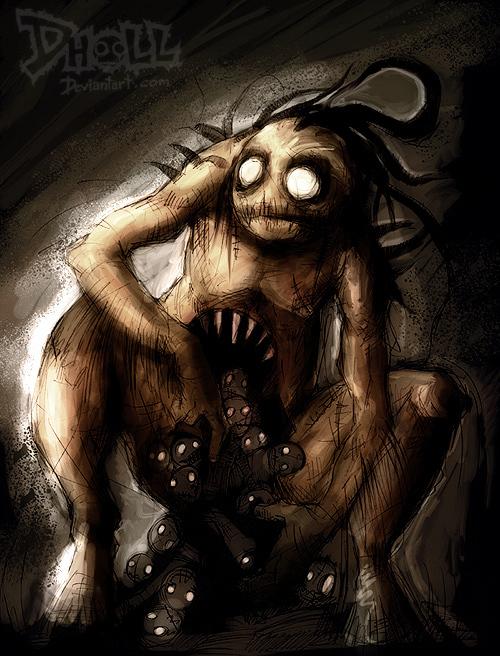 The second deadly sin, Gluttony, is one that pertains to those who consume massive amounts of items, which include food, drink, or intoxicants. According to the Divine Comedy, these individuals will be forced to endure an eternity of cold, hard rain pelting their bodies. Fortunately for Macbeth, he does not directly fall into the trap of gluttony throughout the play. However, in one scene Macbeth holds a banquet after he obtains his kingship, which could be interpreted as him having an abundance of food for himself. Yet this is stretching the notion to an extent, so Macbeth would most likely escape enduring the dirty rain of hell.
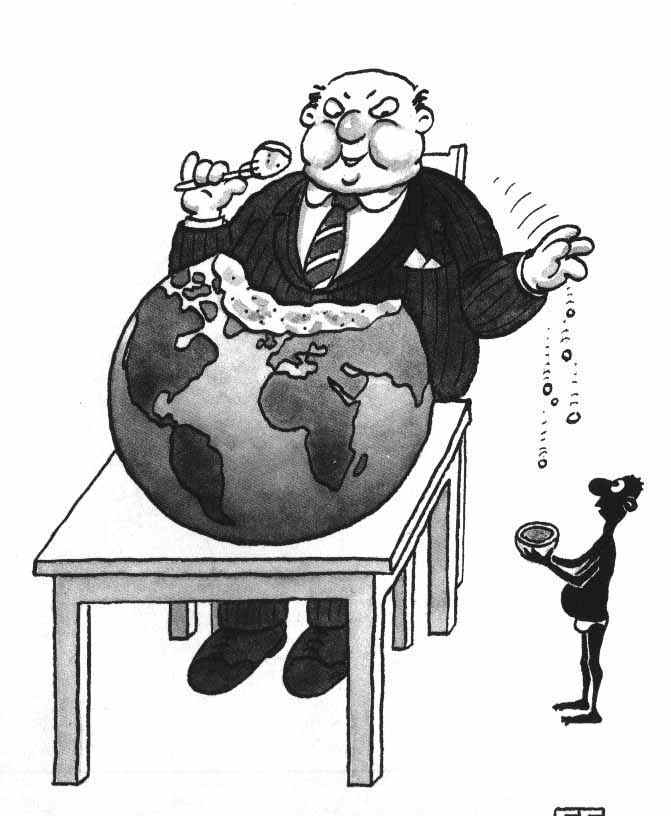 Greed is one of the most common sins in today’s time. Many people are never satisfied enough with what they have, which leads to a feeling of wanting to obtain more. Macbeth is no different in this case, as it was a combination of lust for power and overwhelming greed which tempted him to turn on Duncan. Even though he obtained Cawdor, Macbeth was not satisfied; the lure of being a King was far too great and his greed for more plunged him into sin. It wasn’t just Macbeth’s insatiability for control, however; Lady Macbeth’s greediness and manipulative ways influenced Macbeth’s decision to murder King Duncan. As written by Dante in the Divine Comedy, they both must spend eternity rolling weights against others in a long dug out pit, viciously clashing and repeating the process.


1 comment:
Greed is a bottomless pit which exhausts the person in an endless effort to satisfy the need without ever reaching satisfaction. See the link below for more info.
#greed
www.ufgop.org
Post a Comment