Wednesday, May 14, 2008

Part 1: Lust

The seven deadly sins are a list of vices that were used in early Christian teachings to instruct followers on what sins they were not to partake in. While never specifically mentioned in the Bible, people such as Dante Alighieri have interpreted and described them as “multiple layers of hell”. It is said that committing these acts will banish a person to Hell for all eternity where one will be dealt with according to one’s life on Earth.

The order of these vices is important, particularly because they represent the severity of each act. The first sin is Lust, followed by Gluttony, Greed, Sloth, Wrath, Envy and Pride. Just as Dante traveled through each layer in his Divine Comedy, Macbeth was forced to face his sins and be punished for all that he had done.

Lust is said to be an intense craving for excitement or self-pleasure. Most often is it associated with sexual acts and cravings of love that can never be satisfied. While Macbeth never involved himself in sex during the play, lust could have a second meaning. For instance, the lust one may have for power is another interpretation that many have categorized under sinful nature. One could argue that the lust for power would simply be the sin Greed, but lusting to be powerful is a far greater act then simply obtaining it for the sake of having authority. Macbeth didn’t just want to be King of Scotland to brag about it; he was pulled in by the lust for supremacy and ambition, which was dangled in front of him by the three witch’s prophecies.


If Macbeth had not had partaken in the sin of Lust, he would not have tried as hard as he did to maintain his power. This meant he wouldn’t have killed Duncan, Banquo or slaughtered MacDuff’s family. His lust for power is what lead Macbeth down a terrible road of chaos and could arguably be his greatest sin. Because of his desire and sinful longing for power, Macbeth must be punished in hell’s first layer for all eternity being endlessly blown around in a hurricane.

Part 2: Gluttony and Greed

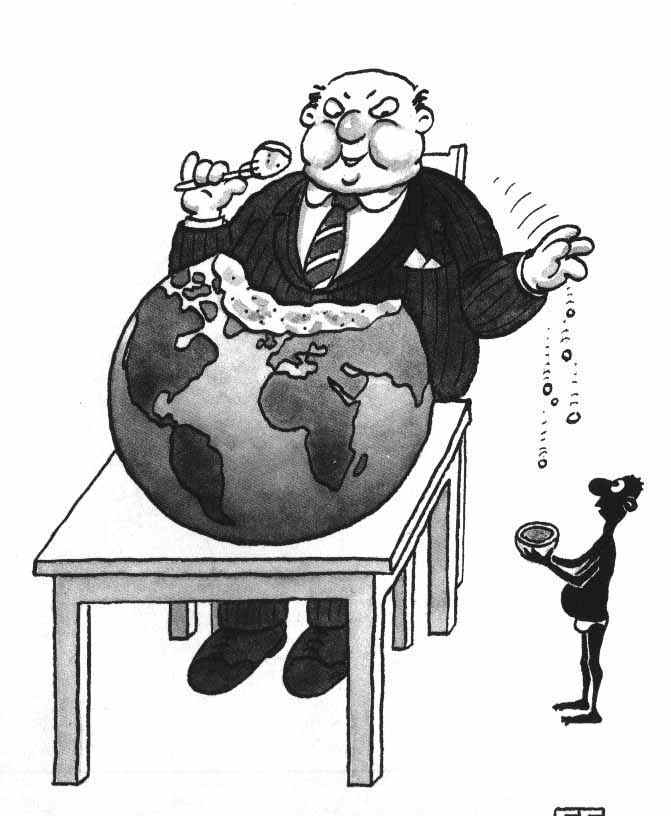
The second deadly sin, Gluttony, is one that pertains to those who consume massive amounts of items, which include food, drink, or intoxicants. According to the Divine Comedy, these individuals will be forced to endure an eternity of cold, hard rain pelting their bodies. Fortunately for Macbeth, he does not directly fall into the trap of gluttony throughout the play. However, in one scene Macbeth holds a banquet after he obtains his kingship, which could be interpreted as him having an abundance of food for himself. Yet this is stretching the notion to an extent, so Macbeth would most likely escape enduring the dirty rain of hell.

Greed is one of the most common sins in today’s time. Many people are never satisfied enough with what they have, which leads to a feeling of wanting to obtain more. Macbeth is no different in this case, as it was a combination of lust for power and overwhelming greed which tempted him to turn on Duncan. Even though he obtained Cawdor, Macbeth was not satisfied; the lure of being a King was far too great and his greed for more plunged him into sin. It wasn’t just Macbeth’s insatiability for control, however; Lady Macbeth’s greediness and manipulative ways influenced Macbeth’s decision to murder King Duncan. As written by Dante in the Divine Comedy, they both must spend eternity rolling weights against others in a long dug out pit, viciously clashing and repeating the process.

Part 3: Sloth and Wrath


Yet Macbeth’s confrontation with sloth is equally debatable. This laziness does not only relate to “lounging around” and being not particularly contributive; sloth also has to do with not utilizing the skills God has given you to your full potential. This is where Macbeth falls into sin; before told of the prophecies, he was a good man who used his bravery to help better Scotland under Duncan’s rule. It is after giving into his greed that he stops using his abilities to help and does nothing to contribute to his country. The Divine Comedy would describe Macbeth’s indulgence of sloth, as turning his back on his potential; this would lead him to the consequence of having to endure gurgling underneath the infamous river in hell, River Styx.

Along the banks of the River Styx is where sinners of Wrath, or anger must stay. Macbeth’s wrath comes with his quest to become King. He is angered when he learns of Malcolm being labeled as the Prince of Cumberland and feels he must act violently to obtain what he believes is his. The act of murder, which Macbeth commits, is in itself a sin, but was always fueled by Macbeth’s wrath to ensure the prophecies did not come true. His hatred of whoever opposed him resulted in the death of people who were once his friends. Therefore, if Macbeth did not succumb to his own wrath, then he might have been able to spare the lives of close friends and acquaintances like Banquo. For his wrathful ways, Macbeth must endure lashing out at others like him, furious and naked forever in accordance to the Divine Comedy.

Part 4: Envy and Pride


The second to last sin is Envy, which is to be jealous or to gain pleasure from seeing others brought down. It has parallels to greed, however greed relates more to materialistic possessions while envy could be the want of what others already possess in their personality. It could be put into terms with Macbeth where he desires what Duncan has, although he originally wanted to be king to quench his thirst for power. Yet he was more envious when he learned of Malcolm being the heir to Duncan and not himself. The Divine Comedy condemns Macbeth for having such jealous thoughts and gaining pleasure from taking kingship away from Malcolm, leading him to the consequence of having his eyes sown shut forever.

Finally there is Pride; it is said that it is the most severe of all sins, for all other vices have been birthed in some form of pride. Macbeth’s pride is what brings his tragic fate upon him at the end of the play. He gains egotistical behaviour after becoming King and learning that “none of woman born shall harm him”. This arrogance is what changes Macbeth’s personality and allows him to justify whatever he does to maintain the power he has. He continually feeds his own self-esteem as he vanquishes his enemy right until his death. If Macbeth had not been so prideful, he may not have been so indulgent in the other sins he committed.

It can be argued that his envy surfaced after his self-worth was hurt because he was not named the heir of Duncan. His wrath became a tempest as others rejected his rule, which in his mind was perfect. Macbeth’s sloth originated because he did nothing for Scotland and only instead focused solely on his own situation. To add, he refused to give up his greedy ways and felt he deserved everything given to him. His gluttony to not provide for others was rooted because of his arrogance, while his lust for power was spawned from learning that he could be a powerful ruler. For this, Macbeth will be forced to walk with stone slabs bearing down on his back to induce humility just as it is written in the Divine Comedy.

Macbeth was a sinner; there is no doubt to that claim. He gave in to his ambition and fell into darkness to satisfy his own Earthly desires. For what he has done, he will forever be burdened with his vices and must repent for all eternity in hell.

Take the quiz and see what your sin is: http://www.4degreez.com/misc/dante-inferno-test.mv